THE DO'S & DON'TS OF TNR
TRAP, NEUTER, RETURN/RELEASE (TNR) IS NOT AN EASY TASK. PLEASE HELP MAKE THE PROCESS EASIER FOR YOURSELF, THE TRAPPER, AND MOST IMPORTANTLY, THE FERAL CATS, BY FOLLOWING ALL INSTRUCTIONS CAREFULLY.
If instructions are not followed, trapping the specific cat(s) needed becomes much more difficult and time consuming. This can cause delays, failed trapping attempts, and additional stress for the cats.
Due to the overwhelming number of feral, stray, dumped, injured, and pregnant cats needing help, trappers often have very limited time. If trapping efforts are repeatedly unsuccessful because instructions were not followed, the trapper may have no choice but to move on to the next colony, leaving you responsible for trapping the cats on your own.
Your cooperation is extremely important and greatly appreciated. Working together gives these cats the best chance at receiving the care they desperately need.


TNR DO'S
TNR DO’S
1. DO always set appointments before trapping any cat for spay/neuter! This is the number one rule of any good trapper!
2. DO always trap pregnant cats first! The goal is to try to decrease the cat
overpopulation, so spay aborting pregnant cats is always the most humane
thing to do.
3. Always use humane cat traps! This ensures safety for the cats, yourself, the vet and staff.
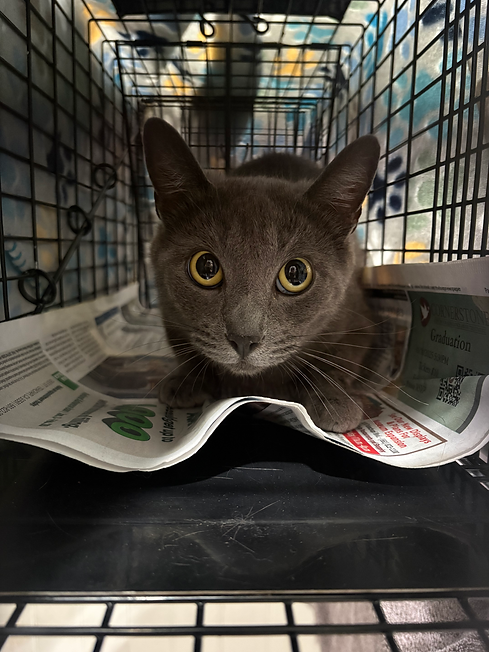
4. Always fully cover your traps with towels or blankets! An uncovered cat means a stressed out cat. Covering the trap helps to calm them once they’re captured.
5. Always use newspaper, not puppy pads to line the inside of the trap.
6. Always place your traps in a cool dry place. Use common sense, do not place cat traps outside in the baking sun or in an area where it’s too cold. Cats under anesthesia cannot control their body temperature. Leaving animals in blazing sun or inclement weather can kill them.
7. Always feed wet food while the cat is in your care. No dry food! No water! Water is not necessary, the cat gets all their hydration from the wet food. We want to prevent from opening the trap door multiple times, so the less we open the trap door, the better changes of the cat not escaping. Water is also not necessary as after the cats are fixed, we want to prevent the incision site from getting wet. Water = infection.
8. Always check on the cat after surgery throughout the night to monitor them. We don’t want to leave cats alone for 8+ hours without checking in.
9. Always be sure to release the cat exactly where you trapped them! The R in TNR stands for RETURN. It’s imperative to the cats’ well-being that you return them back to their colony that they are familiar with and have a food source.
10. Make sure there is someone, if not yourself, managing and monitoring the cats after they’re released. It is cruel to TNR cats without managing them afterward.
TNR DON'TS
1. Do not use collapsible traps! They are dangerous and are known for collapsing on the animal & cats escaping.
2. Do not trap without a plan. Create a small plan, count how many cats you need to catch and what methods you are going to use to catch them.
3. Do not leave out any food in the trapping area. All food must be picked up the night before trapping and absolutely no food the day of trapping! Not even the tiniest amount. Cats will avoid traps even if they’ve eaten a small amount.
4. Never leave a trap unattended! Always have eyes on the trap or be within close range to check on it.
5. Never leave traps set overnight unless you are closely monitoring it. There are predators such as coyotes and people who will harm these animals.
6. Always come prepared! Being prepared ensures the best possible outcome.
Bring your equipment! Nets, blankets, food, drop traps, scissors, flashlights etc. you never know what to expect.
7. Never catch a nursing mama unless you have plans to care for the babies while mama is out being spayed. Kittens need to eat every 2-4 hours and can be away from mama as early as 6 weeks.
8. Do not return / release a cat unless you know it is safe to do so: check cats level of alertness and eye movement.
9. Never keep a cat longer than 24 to 48 hours. The longer cats are in a trap, the more stressed out they become. Most cats are ready to be released the following morning after surgery.
10. Do not trap cats for TNR that are not at least 2 lbs, 2 months old. Most vetwill not fix kittens that aren’t at least four months old, however, clinics that only specialize in Spay + Neuter will take them at two months two pounds as long as they are completely healthy.